Chicago’s freezing winters, constant congestion, and pothole-filled streets take a real toll on vehicles. Over time, that wear and tear increases the risk of breakdowns, accidents, and insurance claims that could have been avoided with routine maintenance. Basic DIY car upkeep is not just about saving money on repairs. It is one of the simplest ways to reduce risk behind the wheel and protect yourself when it comes time to file a car insurance claim.
Insurers consider vehicle condition when assessing fault and preventability, especially in accidents tied to tire failure, brake issues, or visibility problems. Staying ahead of maintenance helps keep your car roadworthy, lowers the chances of claim disputes, and can even help prevent premium increases tied to avoidable incidents. In a city like Chicago, where road conditions are unpredictable year-round, small maintenance habits can make a big difference.
DIY car maintenance in Chicago is not about becoming a mechanic. It is about knowing what to check, when to act, and how to avoid unnecessary insurance headaches.
Why DIY Car Maintenance in Chicago Matters
Chicago has some of the worst roads in the U.S., but the good news is that a small amount of DIY maintenance can protect your vehicle and potentially save you a significant amount of money further down the road.
Tire care is a must due to potholes in Chicago. Potholes are the main culprit of vehicle damage, and repairing your car afterward can cost up to $500 or more. In fact, American drivers spend approximately $6 billion on pothole damage repair every year.
The Impact of Chicago’s Climate on Vehicle Wear and Tear
Good car care during winter in Chicago is essential. When temperatures drop, fluids thicken, batteries lose power, and tire pressures fall. Winter triggers over 8 million roadside-assistance calls nationwide, with battery failures being the most common cause. Batteries should have a 5-year life span, but Chicago’s temperature swings can wear them down much faster.
Road salt is something else that can damage your car during the winter. The salt erodes the metal on vehicles, particularly on the undercarriage, eventually leading to rusting and the deterioration of components.
The thickening of fluids in your vehicle due to the cold can make it harder for the engine to start and cause the car to feel sluggish. Also, drops in tire pressure during the winter can affect fuel efficiency, wear and tear, and even your safety.
Essential Monthly DIY Tasks You Can Do Easily at Home
You don’t need fancy gadgets or mechanical skills to keep your car in good shape. With quick monthly checks, you can prevent damage caused by Chicago’s roads and weather.
Tire Pressure, Tread, and Rotation
Chicago streets are tough on tires, so checking them is nonnegotiable. Use a tire gauge monthly and before long trips to measure pressure, especially when temperatures have changed. Chicago’s extreme temperatures can cause wear and tear on tires, which can eventually affect handling. That’s not something you’ll want to be battling with on an icy I-290 during winter rush hours.
To check for wear and tear, try the penny test: stick a penny into the tread with Lincoln’s head going in first. If you can still see the top of his head, it’s time to replace your tires.
Tires should generally be rotated every 5,000 to 7,500 miles for even wear. This type of tire care is even more essential with the pothole problem on Chicago’s streets.
Washer Fluid, Oil, and Leaks
It’s a good idea to check oil and washer fluid levels monthly. You should also inspect under your car once a month to ensure you don’t have any leaks. If you do spot one, it’s best to check it with a mechanic.
Seasonal Chicago-Driver Car Maintenance Checklist
Temperatures can reach extremes in either direction in Chicago, and hot summer days can affect your vehicle just as much as those cold winters.
Summer Prep
Extreme heat can strain cooling systems, weaken batteries, and damage rubber parts, such as hoses and belts. That’s why skipping summer prep can be just as harmful as ignoring winter maintenance. Heat can damage your battery, so check it periodically during the summer months for any bloating, changes in shape, or leaks.
Although it depends on how much you use your car and the level of dust and pollution in your area, air filters should ideally be changed once a year or every 12,000 to 15,000 miles. The start of summer is a good time to make this change, as you’ll soon be needing cool air daily. This task only takes about 15 minutes, and no tools are necessary.
Just as tires can lose pressure in the winter, summer heat can lower tire pressure and lead to wear and tear. If you use winter tires during the cold months, don’t forget to change them at the onset of summer. Rubber parts, such as belts, hoses, or wipers, should also be inspected during the summer season.
Winter Prep
When winter is about to settle in, test your battery, check tire pressure, and inspect all fluids. Consider changing regular tires for winter ones to get the grip you need on those icy streets. Also, make sure your battery is fully charged before temperatures fall, and change summer wipers for winter blades that can handle ice and snow. Be sure to fill up on winter-grade washer fluid, antifreeze, and oil for winter readiness.
Give the undercarriage of your vehicle a regular wash to prevent damage from metal-eroding salt, and don’t forget to pack an emergency kit that includes a snow brush, ice scraper, jumper cables, flashlight, blankets, and phone charger. You’ll be thankful to have all that gear on hand if you ever get stuck on Lake Shore Drive during a February blizzard.
If you don’t use your car as much in the winter, occasionally take it out for short drives to keep all the components working and prevent problems that could lead to a repair bill or insurance claims.
When To Seek Professional Help
Knowing what to fix yourself can save you money and prevent problems. However, it’s also important to know your DIY limits, so look out for warning signs that indicate you would be better off taking your car to a professional mechanic.
Tasks Best Left to Professionals
There are many jobs you can do yourself at home, and even beginners can change the oil, air filter, and wipers. Battery swaps, topping off fluids, and checking tire pressure can be done with basic tools and some online help. But some jobs are definitely best left to the professionals.
If your car is stalling or struggling to start, it’s probably due to a problem that needs tools you don’t have. If the steering feels off but your fluid levels are fine, there could be important safety issues at play.
Transmission work, engine rebuilds, brake systems, and electrical problems all involve complex systems needing special tools, precision equipment, and years of experience. If any of these jobs aren’t done correctly, they can cause fires, destroy expensive computers or components, and be dangerous to your safety.
Keep Your Vehicle Running Strong With Smart Maintenance
Good car maintenance can save you money and prevent distressing moments or dangerous accidents. Smart car care also directly affects your insurance, as fewer breakdowns and claims lead to lower rates. At American Auto Insurance, we applaud drivers who care for their vehicles and make roads safer for everyone.
If you need reliable insurance and prefer one that rewards good maintenance habits, call us at 773-286-3500 or visit us at American Auto Insurance. We’ve got your back while you keep your car running strong through everything Chicago throws its way.
Frequently Asked Questions About DIY Car Maintenance in Chicago
Q1. What is the easiest DIY car maintenance to do in Chicago?
The easiest tasks are checking tire pressure, washer fluid, and oil levels monthly. These help prevent damage from Chicago potholes and winter temperature swings.
Q2. What car maintenance requirements should Chicago drivers follow?
Illinois requires vehicles to be safe and roadworthy, including proper tires, brakes, and lights. While DIY maintenance is allowed, major repairs must meet state safety standards.
Q3. How often should I check my car during Chicago winters?
In winter, basic checks should be done monthly or after major temperature drops. Cold weather in Chicago causes battery drain, low tire pressure, and thickened fluids.
Q4. What DIY car maintenance steps help prevent pothole damage?
Regularly check tire pressure, tread depth, and wheel alignment. Chicago potholes commonly cause tire sidewall damage and bent rims if tires are underinflated.
Q5. What’s the difference between DIY maintenance and professional service?
DIY maintenance covers basic inspections and fluid checks, while professionals handle brakes, suspension, electrical, and engine issues. Both are important for Chicago drivers.
Q6. What risks should I consider with DIY car maintenance?
Improper repairs can cause safety issues or mechanical failure. In Illinois, incorrect brake or steering work may make your vehicle unsafe to drive.
Q7. How does Chicago’s climate affect car maintenance needs?
Chicago winters lower battery efficiency and tire pressure, while summer heat stresses cooling systems and rubber components. Seasonal checks reduce breakdown risk.
Q8. What determines repair costs from Chicago road damage?
Costs depend on tire condition, wheel damage, suspension wear, and driving frequency. Pothole repairs in Chicago often exceed several hundred dollars.
Q9. Can I do car maintenance at home in the city of Chicago?
Yes, most basic maintenance like fluid checks and battery replacement can be done at home if local parking rules allow it. Major repairs should be done at a shop.
Q10. What common DIY car maintenance mistakes should I avoid?
Avoid overfilling fluids, ignoring warning lights, and skipping tire inspections. These mistakes increase the risk of breakdowns on Chicago roads.
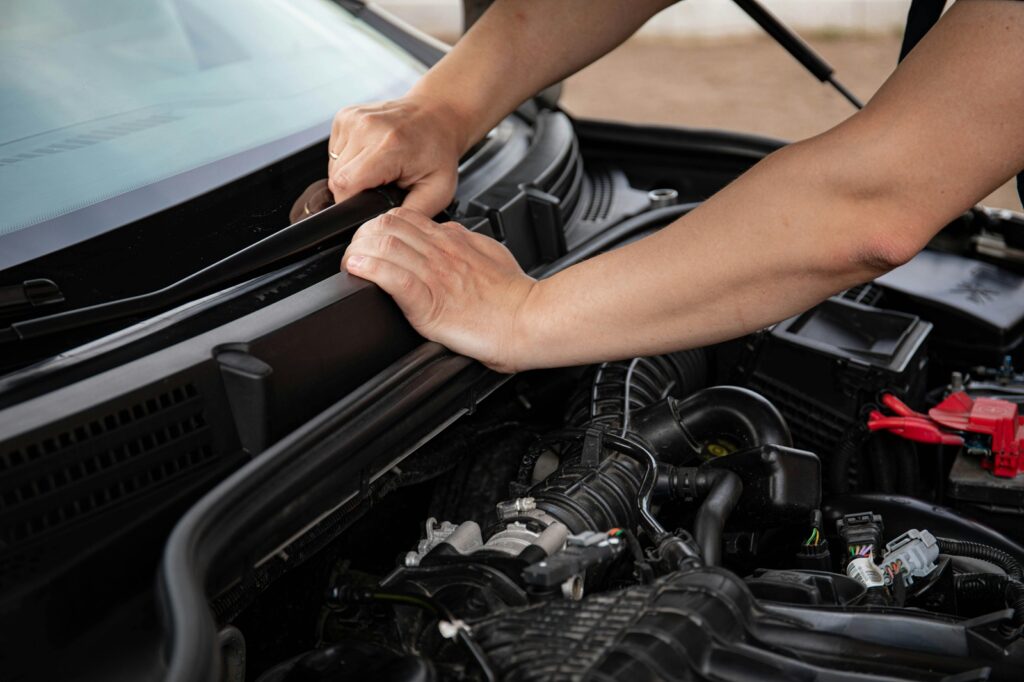
Person Fixing a Car Wiper by Sergey Meshkov is licensed with Pexels License