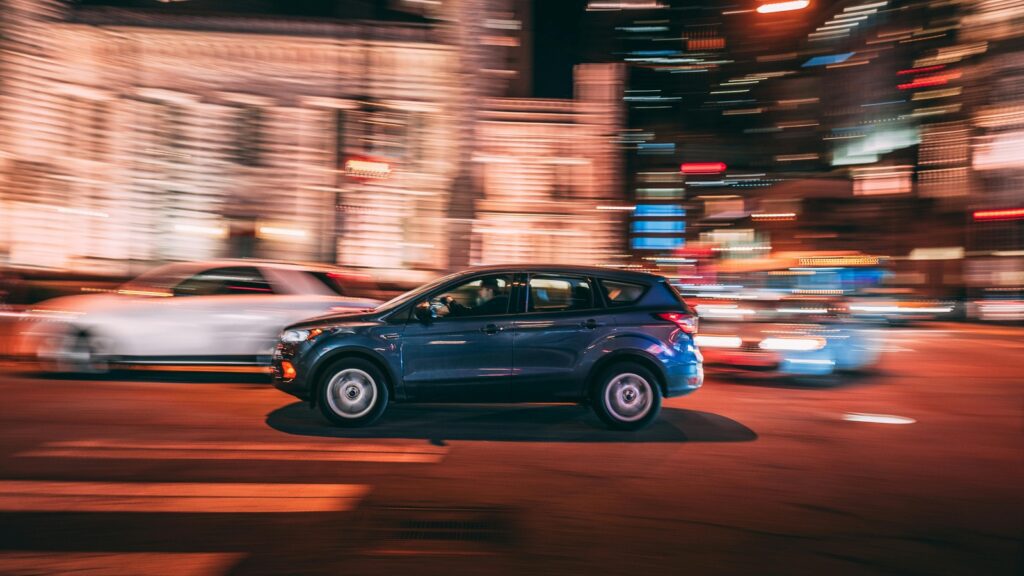
As 2026 unfolds, Chicago drivers are facing a changing insurance market, with industry forecasts showing milder rate bumps compared to recent premium hikes. Auto insurance in the U.S. hit an annual all-time high of $2,101 in 2025, but for 2026, Chicago locals can expect slower premium growth. This offers some breathing room for cost-conscious drivers facing Chicago’s unique risk factors.
What Chicago Drivers Can Expect From 2026 Auto Insurance Trends
Car insurance predictions for 2026 are looking positive. After years of steep inclines, personal auto coverage should see modest 4%-6% increases as insurance rate hikes cool down. This beats recent history, as nationwide rates brutally increased by approximately 16.5% in 2024. Companies may still adjust rates, but less aggressively, and climbing investment yields are likely to ease pressure on premiums.
National and Illinois Rate Patterns Shaping the New Year
Illinois has an unusual approach to auto insurance regulation that directly affects Chicago drivers, being one of the only states without a rate review process to shield customers from excessive costs. Insurers can still use education, work, credit score, and other non-driving factors to influence policy prices. In 2023, Illinois drivers with good credit paid approximately $424 annually, those with fair credit around $607, and safe drivers with poor credit had to pay about $915.
This means that Chicago drivers get less protection from sudden rate spikes than most other states and must carefully compare options, since they lack state-level security against unfair pricing.
Key Factors Driving Insurance Costs in Chicago for 2026
Chicago insurance rates drive costs far above those of rural Illinois due to the urban density threats of crash risks, theft, and vandalism.
Chicago reclaimed America’s worst traffic congestion title in 2025, with drivers wasting an average of 112 hours in peak traffic, averaging $2,063 per driver. Traffic creates more crash hazards, which in turn pushes up claims and costs. Chicago logged 112,000 accidents in 2024, and repair costs have jumped dramatically. Advanced driver-assistance technology makes fixes expensive and can turn small bumps into costly claims.
Chicago also recorded over 29,000 stolen cars in 2023, which directly impacts comprehensive insurance prices, making so-called optional coverage essential. Local drivers pay an annual fee of around $3,000-$3,500 for full coverage, which is 29% above the state average.
Coverage Considerations for Chicago Drivers Going Into 2026
Illinois auto insurance in 2026 requires $25,000 for injuring one person, $50,000 for multiple injuries, and $20,000 for property damage — 25/50/20 coverage. Drivers must also carry uninsured motorist coverage with bodily injury limits of$25,000 per person and $50,000 per accident. California, North Carolina, Virginia, Maryland, and Utah updated their auto laws in 2025 for better financial protection. In Chicago’s costly environment, however, the law still recognizes old limits.
If you have an electric vehicle (EV), its insurance runs 23%-49% higher than that of a gas car, since battery systems are expensive and specialized repairs are costly. To make things easier, though, Illinois offers EV rebates of up to $4,000 for qualifying models.
Why Comprehensive and Collision May See Higher Demand
Lease or finance agreements require collision and comprehensive insurance. Skipping this coverage may result in financial disaster. Insurance companies can total a car when repair costs hit 70% of fair market value, and as modern vehicles with complex systems cost significantly more to restore, this makes the threshold easier to reach. Cars with advanced safety technology, such as automatic emergency braking, blind-spot monitoring, and lane departure warning, need specialized repairs that cost far more than traditional vehicles. Therefore, even minor damage can result in total losses.
Smart Ways To Lower Auto Insurance Costs in the New Year
Chicago drivers heading into 2026 face not only challenges but also opportunities to save. You can take action now to find good rates and solid coverage. Telematics programs save most drivers an annual amount of around $120, while families with teens can save double. A third of drivers using these programs kept safer driving habits afterward.
Discounts, Safe Driving Programs, and Annual Policy Reviews
Illinois law requires insurance companies to offer discounts to drivers aged 55 or over who complete approved defensive driving courses, with typical savings of 5%-10% off premiums in Illinois lasting for three years. The savings usually cover the course fee within the first year, and drivers under 55 might qualify for voluntary discounts lasting for two years.
Parents’ rates jump dramatically when they add a teen driver, so getting the best coverage options and annual policy deals is essential. If you’re a smart driver, review your current policy and contact our team at American Auto Insurance. We can help you find the best auto insurance in Illinois to fit your needs and budget.
Secure Your Coverage for the Road Ahead
With Illinois offering minimal regulatory oversight, it’s up to you to stay informed and compare options. From EV considerations to new technology, the market keeps changing, giving you more ways than ever to balance protection and cost.
Don’t wait for your renewal papers to start planning your 2026 strategy. Act now and contact us online at American Auto Insurance to get a free quote or call us at 773-286-3500. Our Chicago-focused knowledge can help you find top-notch coverage at competitive prices for whatever 2026 throws your way.
2026 Auto Insurance Trends for Chicago, Illinois Drivers
1. What are the main auto insurance trends Chicago drivers should expect in 2026?
Chicago, Illinois drivers should expect slower premium increases of about 4%–6% in 2026 after sharp hikes in prior years. Rates remain higher than average due to congestion, theft, and repair costs.
2. Why are Chicago auto insurance rates higher than the rest of Illinois?
Chicago has higher crash frequency, vehicle theft, and vandalism than rural Illinois. These risks increase claim frequency and raise insurance costs for city drivers.
3. How does Illinois insurance regulation affect Chicago drivers?
Illinois does not have a rate review process, allowing insurers to adjust prices without state approval. This gives Chicago drivers less protection from sudden premium increases.
4. How much does traffic congestion impact insurance rates in Chicago?
Heavy congestion increases crash risk and claim volume. Chicago drivers spend over 100 hours per year in traffic, which directly contributes to higher insurance costs.
5. Are car theft rates affecting Chicago auto insurance in 2026?
Yes. High vehicle theft rates in Chicago increase comprehensive insurance costs. Insurers price coverage higher in areas with frequent theft claims.
6. What minimum auto insurance coverage is required in Illinois?
Illinois requires 25/50/20 liability coverage and uninsured motorist bodily injury coverage of 25/50. These limits often fall short of real-world repair and medical costs in Chicago.
7. Will electric vehicles cost more to insure in Chicago in 2026?
Electric vehicles typically cost 23%–49% more to insure due to battery replacement and specialized repair needs. This trend continues in Chicago, Illinois for 2026.
8. Why are comprehensive and collision coverage becoming more important?
Modern vehicles with advanced safety systems are expensive to repair. In Chicago, even minor accidents can lead to total losses, increasing the importance of full coverage.
9. How long does it usually take to see insurance savings after policy changes?
Most Chicago drivers see premium changes within one billing cycle after updating coverage or switching insurers. Savings can appear within 30 to 60 days.
10. What mistakes should Chicago drivers avoid when shopping for insurance in 2026?
Common mistakes include carrying only minimum coverage, not comparing insurers annually, and overlooking theft and repair risks specific to Chicago.
Photo of SUV on Road during Night Time by Chait Goli is licensed with Pexels License