When winter arrives, Illinois drivers face difficult choices. Snow piles up, temperatures drop, and you’re stuck wondering if winter tires are worth it. It’s a question that concerns your finances as well as your safety. Could these tires actually cut your car insurance bill while keeping you safer on Chicago’s icy streets? Let’s explore everything you need to know before investing in winter tires, including the safety benefits and possible insurance savings.
Why Winter Tires Matter for Illinois Drivers
Illinois winters create significant challenges, bringing snow, ice, and bone-chilling cold. Slick roads and poor visibility mean that accidents, from little bumps to major crashes, dramatically increase in the winter months. Across the country, icy roads cause over 150,000 accidents yearly, killing more than 1,800 people. In Illinois, winter conditions cause around 28,000 accidents every year.
Ask any local driver about winter driving conditions and they’ll likely mention one of these five roads: I-90, I-80, I-55, I-94, and I-57. That last one has earned a particularly bad reputation: between 2015 and 2017, I-57 saw 39 deaths in the summer months alone, and winter makes it even deadlier. Chicago gets buried under about 3 feet of snow annually, making good tires essential for daily commutes and longer trips.
How Winter Tires Differ From All-Season Tires in Cold Weather
What makes winter tires work when regular tires fail? Firstly, winter tires use softer rubber that maintains flexibility in freezing temperatures, allowing them to grip snow, ice, and slush much better than all-season tires. Your all-season tires start to lose grip in temperatures below 45 degrees F, while winter tires maintain it even down to minus 22 degrees F.
Secondly, winter tires have deeper grooves with tiny slits called “sipes” that bite into ice and grip the road. The tread patterns also push snow and slush away from where rubber meets road, giving you much better control when the surface is slick.
Safety Benefits of Winter Tires
Research studies continue to confirm that winter tires are an essential component of winter driving safety in Illinois and beyond. When even walking becomes dangerous, driving on those same icy and snowy surfaces without proper tires becomes a significant risk.
The most impressive benefit of winter tires is that they can cut your stopping distance by up to 30% on snow. That means that when driving at 30 mph on snow, winter tires stop in about 59 feet. In comparison, all-season tires need another 30 feet, often skidding to around 89 feet total. That’s the difference between stopping safely and crashing into whatever’s ahead of you.
On ice, it gets even scarier. At just 12 mph, winter tires stop in 34 feet where all-seasons slide to 57 feet. If you’re driving through an icy parking lot and a child darts out unexpectedly, those 23 feet could be everything. The increased grip isn’t just important for stopping either. It’s essential for steering around problems, getting moving from a standstill, and staying in your lane when the road gets slippery.
Your tire pressure matters too. In winter, the cold shrinks the air in your tires overnight, and good winter tires need proper inflation to perform at their best, so it’s especially important to pay attention to those dashboard warning lights. Tire pressure monitoring systems cut severe underinflation by about 55.6%, which means fewer blown tires and accidents.
Can Winter Tires Lower Your Insurance Premium?
Some insurance companies actually give you credit for being smart about safety. Many offer discounts when you put winter tires on by Nov. 1, typically shaving 2% to 5% off your premium. This percentage may seem small, but it can still mean decent savings over time, especially when paired with fewer accident claims.
To claim an Illinois winter tires insurance discount, you’ll need proof you installed proper winter tires. This might include receipts, photos, or paperwork from the tire shop. Some companies want professional installation documents, while others might just need pictures showing those distinctive winter treads and sidewall markings. Regardless, you should always retain your installation receipt or service record, as your insurer might ask to see it. Timing also matters, as many programs require your new tires to be fitted by specific dates in fall, so call your agent before winter arrives.
What To Consider Before Relying on Tires for Premium Savings
Don’t rush out to buy winter tires just for insurance savings without doing some calculations first. Winter tires typically cost $100 to $200 each, with high-performance versions running up to $500 apiece. A full set can cost between $400 and $1,000, plus installation fees of $15 to $45 per tire. You need to weigh these costs against what you might save on insurance.
The costs of swapping your tires twice yearly also adds up quickly. A full tire change costs $60 to $100, with mechanic rates from $35 to $50 per hour for basic technicians up to $65 to $85 per hour for more experienced professionals. Simple swaps run about $10 per tire, while mounting and balancing (if you don’t have separate rims) costs $60 to $80. Over five years, that means you’re looking at roughly $1,000 just in seasonal changes, plus maybe $10 monthly for storage if your garage is already packed.
Make the Right Decision for Illinois Winter Driving
When deciding whether to invest in winter tires, put safety first and think of insurance discounts as a nice bonus. Illinois weather makes a strong case for winter tires based on safety alone, particularly in Chicago and northern areas that face serious winter conditions.
Before buying anything, call your insurance company to ask about specific discounts. At American Auto Insurance, we can provide personalized advice about coverage options and potential savings. Contact us or give us a call at 773-286-3500 today to figure out if winter tires make financial sense for your situation.
Winter Tires and Insurance Savings in Chicago, Illinois
Q1. Do winter tires lower car insurance premiums in Chicago, IL?
Sometimes, yes. Some insurers offer a 2%–5% discount for installing winter tires in Chicago, but availability depends on the provider and policy type.
Q2. Are winter tires required by law in Illinois?
No. Illinois does not mandate winter tires, but drivers are still legally responsible for maintaining safe traction during winter conditions.
Q3. How much safer are winter tires compared to all-season tires?
Significantly safer. Winter tires can reduce stopping distances by up to 30% on snow and provide better steering control on icy Chicago roads.
Q4. When should winter tires be installed in Chicago?
Before temperatures consistently drop below 45°F. In Chicago, this usually means late October to early November for optimal performance and eligibility for discounts.
Q5. What proof do insurers require for winter tire discounts in Illinois?
Documentation is required. Insurers may ask for receipts, installation records, or photos showing winter tire tread and sidewall markings.
Q6. Do all insurance companies in Illinois offer winter tire discounts?
No. Winter tire discounts are not universal in Illinois, so drivers must confirm eligibility directly with their insurer.
Q7. How do Chicago winter conditions affect tire performance?
Cold and snow reduce grip. Chicago averages about 36 inches of snow annually, and freezing temperatures cause all-season tires to harden and lose traction.
Q8. How much do winter tires typically cost in Illinois?
Costs vary. Expect $100–$200 per tire for standard winter tires, plus $15–$45 per tire for installation in the Chicago area.
Q9. Can winter tires reduce the likelihood of filing an insurance claim?
Yes. Improved traction and shorter stopping distances reduce the risk of winter collisions, which can help avoid claims.
Q10. What mistakes should drivers avoid when buying winter tires?
Common mistakes include installing them too late, mixing tire types, ignoring tire pressure, and assuming discounts apply without insurer confirmation.
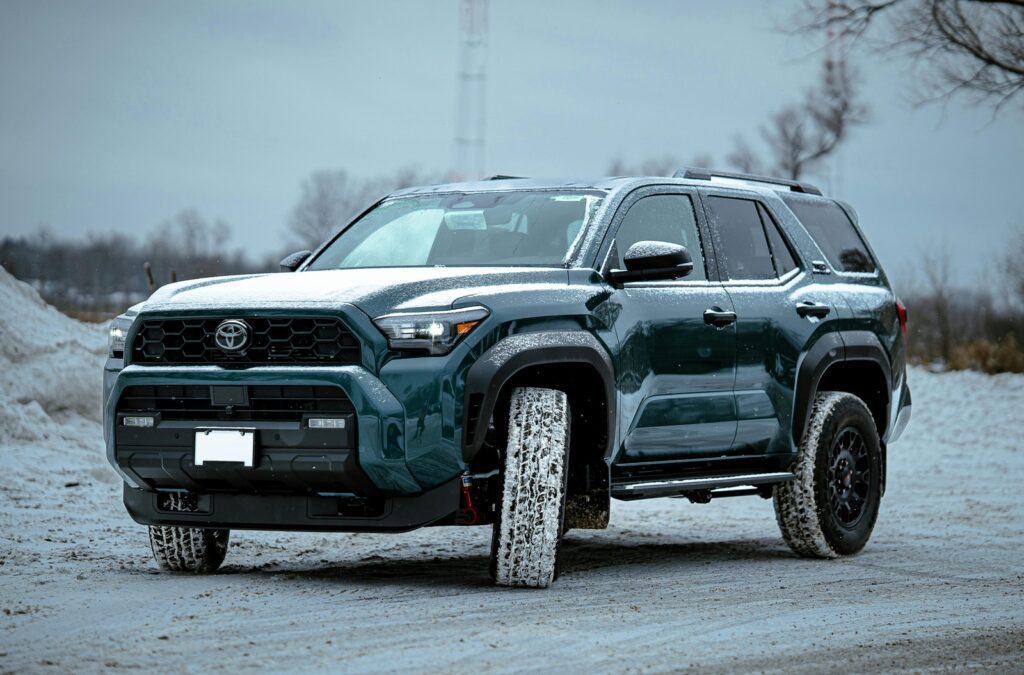
SUV Covered in Snow on a Winter Day by Holyson h is licensed with Pexels License