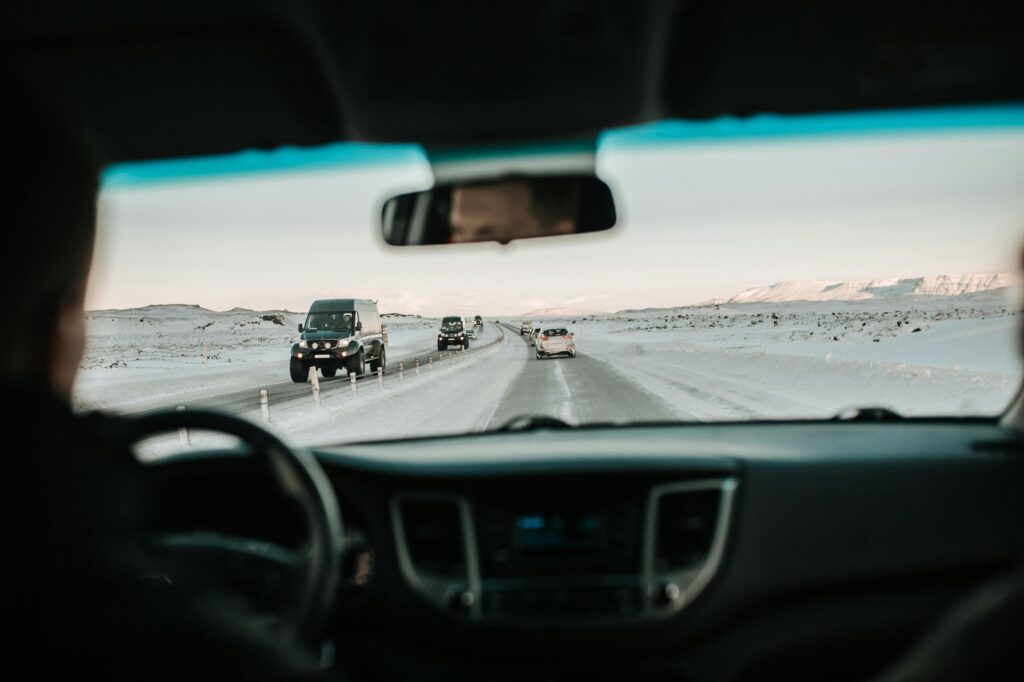
Roads can turn treacherous in minutes when temperatures suddenly nosedive below freezing. Getting your car ready for the Illinois winter isn’t only smart. It’s critical for staying safe. A properly winterized vehicle will get you home, but being unprepared could leave you shivering on a frozen roadside.
Illinois Winter Weather: What Your Car Faces
Predictions for winter 2026 show extended cold waves hitting mid-January and mid-February. Meteorologists forecast dramatic temperature swings that will put stress on your vehicle. Your car’s battery chemistry slows down, delivering less power when you need it most. Tire pressure drops, reducing traction, and fluids thicken, making pumps work harder.
Nearly half a million crashes occur annually during winter storms. Northern Illinois faces this challenge prematurely, as winter conditions may begin as early as September. Shorter daylight means more driving when visibility drops, but preparing now means reaching destinations safely instead of becoming another winter statistic.
Essential Winter Car Maintenance Checklist
At 32 degrees Fahrenheit, car batteries lose 35% of their power; at zero degrees, that figure jumps to 60%. So, winter can quite literally kill car batteries. A car battery should last between three and five years, but no matter the age, keep a careful eye on yours before winter. Most auto parts stores will test battery health for free.
Every 10-degree drop steals 1 PSI of tire pressure. The rubber of all-season tires stiffens below 45 degrees Fahrenheit, but winter tires stay flexible, gripping snow and ice with specialized tread patterns. Compared to all-season tires, winter tires can cut stopping distance by 30 feet, provide effective acceleration from stops, and handle ice significantly better.
Fluid maintenance becomes vital when temperatures drop. Check your antifreeze levels, as this is designed to prevent freeze-ups and protect your engine. Switch to winter-weight oil if required, and replace summer windshield washer fluid immediately. It’ll freeze when you need visibility most. Check your brake fluid, power steering fluid, and transmission fluid. Get your brakes inspected and replace streaking wipers.
Your car’s lighting systems work overtime during the extended winter darkness, so clean headlights become vital during shorter days. Dirty headlights reduce visibility by as much as 50%. Keep your lights free of snow and salt buildup. Snow-covered taillights prevent other drivers from seeing when you brake. Also, make sure to test your heating and defrosting systems well in advance. Don’t wait until you’re scraping ice at 6 a.m. to discover your defroster doesn’t work. Illinois winters present unique risks that generic insurance policies miss, so comprehensive auto insurance is as vital as winter tires or a healthy battery.
Critical Safety Systems for Winter Driving Conditions in Illinois
The antilock braking system (ABS) saves lives on slick Illinois roads during panic stops. While maintaining steering control, it prevents wheel lock-up by pulsing brakes up to 15 times per second. ABS reduces stopping distances on dry pavement but might increase them on loose snow or gravel. This preserves your ability to steer around obstacles. Sensors monitor each wheel’s speed, detecting lock-up instantly and adjusting brake pressure individually.
Modern vehicles use technology to adapt to winter conditions. When traction control detects wheel spin, it cuts engine power to slipping wheels while simultaneously applying targeted braking, then redistributes power to the wheels with grip. Electronic stability control monitors your vehicle, detecting early skid signs and automatically applying brakes to specific wheels during icy turns. Lane-keep assist becomes valuable when snow obscures lane markings, as cameras monitor visible lines and provide gentle steering corrections if you drift.
Emergency Preparedness for Illinois Roads
Each of us has an annual 1-3% chance of roadside troubles, but winter makes it worse. Make sure to pack emergency basics, such as thermal blankets, warm clothes, granola bars, and bottled water. Include jumper cables or a portable jump starter, a tire gauge, basic wrenches, and a tow strap. These items can turn life-changing disasters into minor inconveniences.
For your winter emergency kit, grab a tough ice scraper with a brush, a foldable snow shovel, and a bag of cat litter for traction. Pack reflective triangles to stay visible if you find yourself stuck on the roadside. Don’t forget a flashlight with fresh batteries, a phone charger, and first aid supplies. Thin foil emergency blankets barely take up space but trap body heat incredibly well if you’re forced to wait for help.
If you get stuck in the snow, turn off traction control and use four-wheel drive instead. Clear paths in front of and behind your tires. Use the rocking method by easing forward, then reversing to pack the snow for better traction. If possible, you should flag down help for a push. To create grip for spinning tires, sprinkle sand, salt, or cat litter on the ground. You can also slide cardboard underneath. Check your winter emergency kit monthly, as items may get used, batteries can die, and food expires.
Common Illinois Winter Car Problems and Solutions
Dead batteries make it to the top of Illinois’ winter problems. Keep a lookout for slow engine turnover, dimming headlights, and white buildup on terminals. If you need to jump-start your vehicle, turn off all the electronics first. Connect the red clamps to the positive terminals, then attach one side of the black clamp to the good battery’s negative terminal and the other to some bare metal of your dead vehicle. Run the good car at 2,000-3,000 revolutions per minute for 30 seconds. Start your car, then drive for 30 minutes at highway speeds or replace the battery.
For frozen doors and windows, apply petroleum jelly to the seals before the winter season comes. Keep deicer spray somewhere other than inside your car, as windshields ice up overnight. Fluids will also thicken or freeze if they’re not winter-rated.
The odorless gas, carbon monoxide, causes about 400 deaths annually in the U.S. from accidental exposure. Cars with internal combustion engines produce it constantly. It’s deadly when snow blocks the exhaust or you idle in attached garages, so never run your engine in enclosed spaces and always clear snow from the tailpipe before starting a buried car. DIY winter fixes include changing the oil, air filters, wipers, and batteries. Leave complex repairs relating to engines, transmissions, electrical issues, and alignment to the professionals.
Stay Protected All Winter Long
Even perfectly maintained vehicles face winter surprises. Solid insurance coverage provides peace of mind during winter in the Midwest. Don’t wait until the first snowflake to review your coverage. At American Auto Insurance, we understand winter driving conditions in Illinois. View our options for local conditions and see why Illinois drivers switch to better protection. If you need winter-ready coverage that won’t let you down, visit our website or call us at 773-286-3500. We’ll keep you protected through winter’s worst and beyond.
FAQ: Getting Your Car Ready for Illinois Winter
1. When should I start preparing my car for Illinois winter?
Begin winter prep in early fall. Northern Illinois can see winter conditions as early as September, and sudden freezes can damage unprepared vehicles.
2. How does cold weather affect my car battery?
At 32°F, batteries lose about 35% of their power. At 0°F, they lose up to 60%, increasing the risk of failure in winter.
3. Do I really need winter tires in Illinois?
Yes. All-season tires stiffen below 45°F, reducing traction. Winter tires stay flexible and can cut stopping distance by up to 30 feet.
4. What fluids should I check before winter?
Confirm antifreeze levels, switch to winter-weight oil if needed, replace summer washer fluid, and check brake, power steering, and transmission fluids.
5. Why do headlights matter more in winter?
Dirty or snow-covered headlights can cut visibility by up to 50%, making night and storm driving far more dangerous.
6. What safety systems help with winter driving?
Features like ABS, traction control, stability control, and lane-keep assist help maintain control on slick Illinois roads.
7. What should go in a winter emergency kit?
Include blankets, warm clothes, food, water, jumper cables, a shovel, ice scraper, cat litter for traction, and reflective triangles.
8. How can I get my car unstuck from snow?
Turn off traction control, clear snow around the tires, use the rocking method, and add sand, salt, or cat litter for grip.
9. How can I prevent doors and windows from freezing?
Apply petroleum jelly to rubber seals and keep deicer spray outside the vehicle so it’s accessible when windows ice over.
10. Why is carbon monoxide a winter hazard?
Snow can block your exhaust, causing CO buildup. Never idle in enclosed spaces and always clear the tailpipe before starting your car.
11. What Illinois winter issues require a mechanic?
DIY basics like oil, filters, and wipers are fine, but engine, electrical, transmission, and alignment problems need a professional.
12. How can insurance help during harsh Illinois winters?
Comprehensive coverage protects against winter-related damage, breakdowns, and accidents—essential peace of mind in unpredictable weather.
Cars on Snowy Road by Pavel Danilyuk is licensed with Pexels License